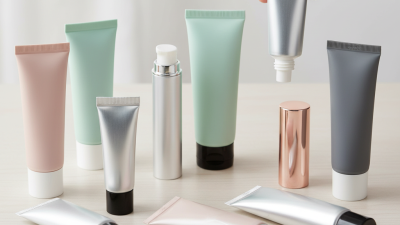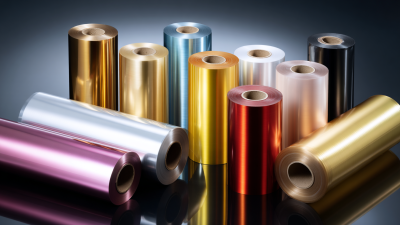
The cosmetic tube industry in China plays a crucial role in global cosmetics packaging. As per the latest market report by ResearchAndMarkets, the cosmetic tube market is expected to grow at a CAGR of 6.5% from 2023 to 2030. This growth highlights the significance of selecting reliable manufacturers.
Industry expert Dr. Lisa Chen once stated, "The quality of cosmetic tubes directly impacts brand perception." Many global brands rely on Chinese manufacturers due to their advanced technology and cost-effective solutions. However, buyers must navigate the vast landscape of suppliers and choose wisely.
While there are numerous options, not all manufacturers meet international standards. Issues like inconsistent quality and environmental concerns require attention. Selecting the right cosmetic tube manufacturer is essential. This choice can influence both the product's success and sustainability.
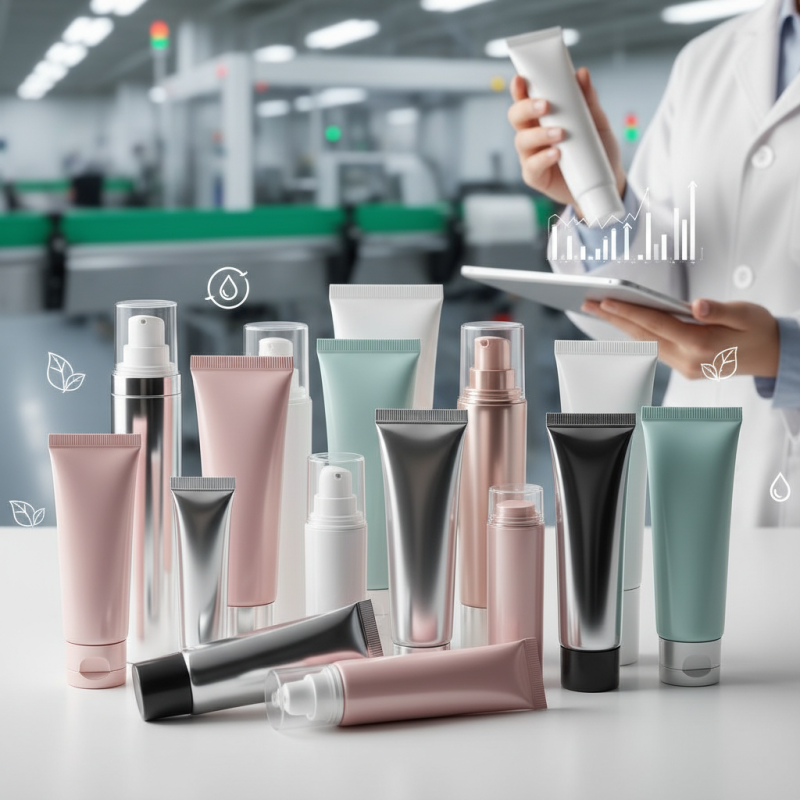
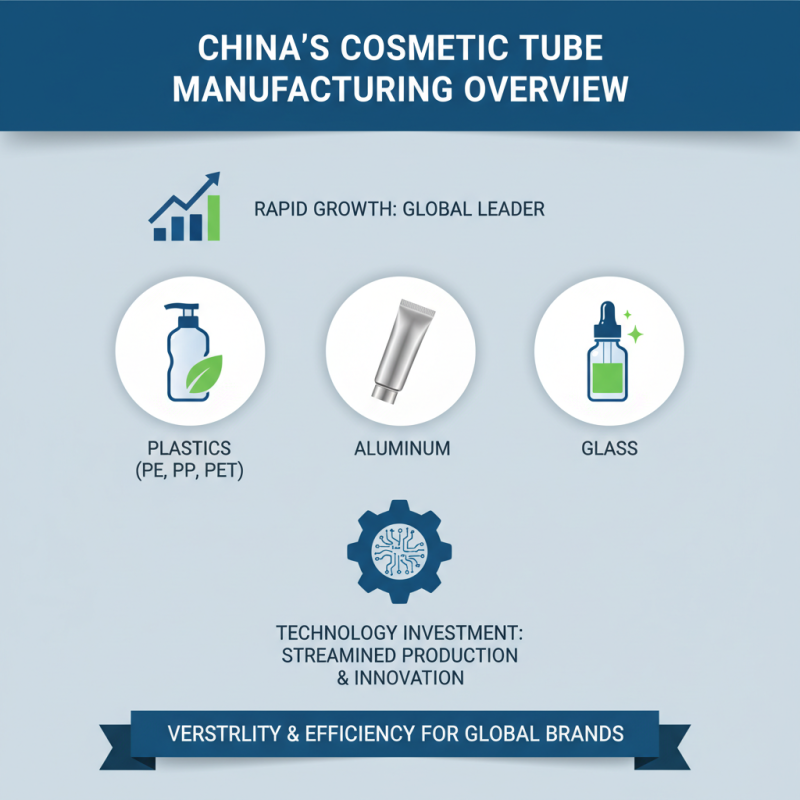
China's cosmetic tube manufacturing industry has seen rapid growth in recent years. It is now one of the largest producers globally. Various raw materials are used in creating these tubes, including plastics, aluminum, and glass. This variety allows brands to select the best options for their products. In addition, manufacturers continually invest in technology for streamlined production.
Despite the advancements, challenges remain. Quality control can be inconsistent across different factories. Some manufacturers struggle with meeting international standards. The environmental impact of plastic production also raises concerns among consumers. Companies are called to adopt sustainable practices to minimize their ecological footprint. The industry is at a critical junction, navigating between innovation and accountability.
When selecting cosmetic tube manufacturers, several key criteria should be considered. Quality control is paramount. Manufacturers must adhere to strict quality standards. According to market studies, 70% of customers prioritize product safety. This ensures the tubes can withstand various conditions without degrading.
Another important factor is customization capabilities. Top manufacturers offer various designs and sizes. This flexibility allows brands to differentiate themselves in a crowded market. Recent data shows that 65% of cosmetic brands seek unique packaging solutions to enhance their brand identity. Additionally, sustainability has become a vital consideration. Eco-friendly materials are increasingly in demand. A report indicates that 50% of consumers prefer environmentally responsible packaging.
Moreover, lead time impacts product launch. Manufacturers with efficient production processes can fulfill orders swiftly. The cosmetic industry is fast-paced, requiring rapid response capabilities. A notable challenge exists in balancing cost and quality. Brands often face temptation to compromise on standards for lower prices. Understanding these nuanced dynamics is crucial for any global buyer navigating the complexities of this sector.
When choosing cosmetic tube manufacturers in China, buyers need reliable insight. The market offers many options, but quality varies significantly. Understanding the leading manufacturers is crucial for sourcing effectively.
Some notable characteristics to consider are production capabilities and quality control processes. Many manufacturers focus on eco-friendly materials. This trend reflects a growing demand for sustainability in cosmetics packaging. Pay attention to the customization options they provide. Custom designs can enhance brand identity.
Tips: Research feedback from previous clients. Look for manufacturers with a track record of delivering on promises. Ask for samples before making large orders. This practice can prevent disappointment later on. Quality assurance is vital. Ensure that the manufacturer follows international standards.
Keep in mind the importance of communication. Clear and open discussions with manufacturers can highlight potential issues early. Watch for transparency regarding pricing and timelines. Such insights help build a reliable partnership.
Cosmetic tube production is evolving rapidly, driven by innovative technologies that enhance efficiency and sustainability. Recent industry reports indicate that the global demand for cosmetic tubes is projected to reach $6.3 billion by 2027, reflecting an annual growth rate of over 5%. This growth is largely attributed to advancements in production methods and materials.
Modern manufacturers are utilizing automation and smart manufacturing techniques. These innovations reduce waste and enhance precision in tube production. For instance, extruded tubes now often feature biodegradable options, aligning with consumer demand for eco-friendly packaging. Additionally, the integration of digital printing technologies allows for customizable designs, appealing to diverse consumer preferences.
**Tip:** Consider the sustainability of materials when choosing a manufacturer. Not all options are eco-friendly.
However, the industry faces challenges. Not all manufacturers have access to advanced technologies, leading to inconsistencies in product quality. Companies must invest in training and development to adopt superior methods.
**Tip:** Always request samples to ensure quality aligns with your brand standards.
With the ongoing evolution in production technologies, staying informed is crucial for global buyers. They must remain vigilant about the latest trends and advancements to make educated decisions.
The cosmetic tube industry in China currently faces various global market trends that impact its exports significantly. Consumers worldwide are increasingly demanding sustainable packaging solutions. China, known for its plastic manufacturing, must adapt its production processes to meet these eco-friendly expectations. Biodegradable materials are gaining popularity. Manufacturers are exploring innovative materials to produce tubes that align with this trend.
Additionally, e-commerce growth affects China's cosmetic exports. Online shopping has surged, especially post-pandemic. Brands require flexible packaging solutions to cater to different retail environments. This demand for customization pushes manufacturers to innovate continually. However, many companies may struggle to keep pace with rapidly changing consumer preferences. They must invest in research and development to stay relevant.
Global regulations also play a critical role. Compliance with international standards for cosmetic packaging is an ongoing challenge. Companies must ensure that their products meet safety and quality regulations across multiple markets. This can create complexities in production and logistics. It is essential for manufacturers to remain vigilant and adaptable to these changing landscapes to sustain their competitiveness.
| Rank | Annual Revenue (USD) | Export Markets | Product Range | Certifications |
|---|---|---|---|---|
| 1 | $50 million | USA, Europe, Asia | Plastic, Aluminum, Laminated Tubes | ISO 9001, GMP |
| 2 | $30 million | Europe, Australia, South America | Squeeze Tubes, Airless Pumps | ISO 14001, CE |
| 3 | $25 million | North America, Asia | Cosmetic Tubes, Skin Care Products | ISO 9001 |
| 4 | $20 million | Middle East, Africa | Foil Tubes, Plastic Tubes | GMP |
| 5 | $18 million | Europe, Asia Pacific | Travel Size Tubes, Sample Tubes | ISO 9001, CE |
| 6 | $15 million | North America, South America | Specialty Tubes, Custom Designs | ISO 14001 |
| 7 | $12 million | Asia, Europe | Eco-Friendly Tubes, Recyclable Materials | GMP, ISO 9001 |
| 8 | $10 million | Global | Wide Mouth Tubes, Flexible Tubes | CE, ISO 14001 |
| 9 | $8 million | North America, Oceania | Bamboo Tubes, Luxury Packaging | GMP |
| 10 | $5 million | Asia, Europe | Collapsible Tubes, Specialty Finishes | ISO 9001, CE |