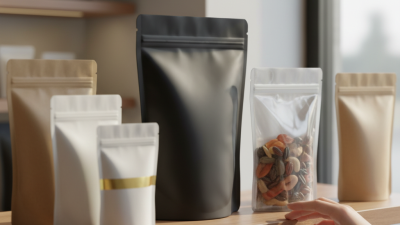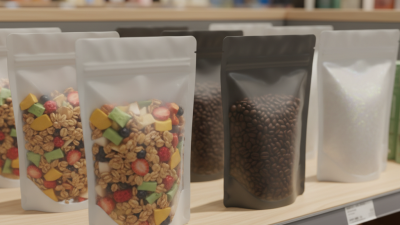
China’s flexible-packaging sector has become a serious sourcing destination for innovative pouch formats. This guide explores the China Top 10 Shape Free Pouch Manufacturers, focusing on practical capability rather than attractive websites alone. A reliable Shape Free Pouch supplier should demonstrate stable sealing, accurate forming, clean printing, and consistent material performance. The pouch must stand out on a shelf. It must also survive filling, transport, storage, and daily handling.
Packaging consultant and educator Sterling Anthony has often emphasized, “Packaging is a system, not a product.” That principle is important here. A manufacturer may offer impressive irregular shapes, spouts, windows, handles, or custom curves. However, design flexibility means little without dependable production control. We will examine machinery, material options, prototype support, minimum order quantities, quality inspection, export experience, and communication standards. Factory location matters less than verifiable performance.
No ranking is perfect. Public information can be incomplete, and supplier claims still require checking. Samples may look excellent while larger production runs reveal weak seals or color variation. That is why this overview considers evidence such as certifications, customer feedback, production photographs, test reports, and direct technical responses. Buyers should request physical samples before making commitments. They should also confirm food-contact suitability with qualified professionals and applicable regional requirements. Small details matter. A zipper that feels stiff can damage the user experience. A poorly positioned seal can create waste. The selected manufacturers are therefore presented as potential partners, not automatic recommendations. Careful comparison remains essential.
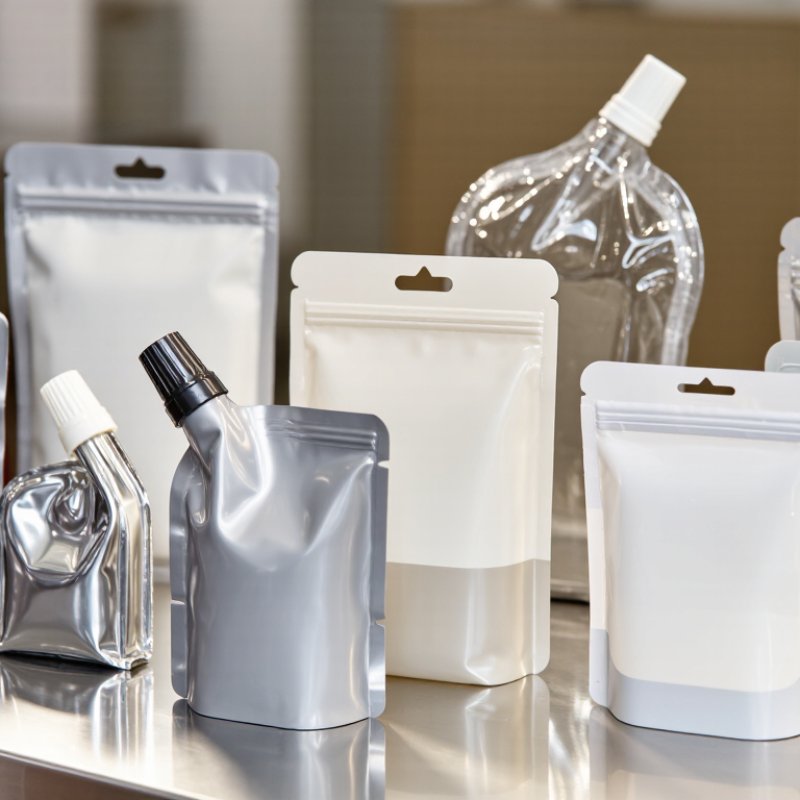
Shape-free pouches use flexible films instead of rigid containers. They bend, flatten, and follow the product’s shape during filling and transport. Common structures include a printed outer layer, a strength or barrier layer, and a heat-seal layer. Polyester can protect graphics, while nylon improves puncture resistance. Aluminum foil or EVOH may limit oxygen and light exposure. Polyethylene or polypropylene usually forms the inner seal surface.
The layer choice depends on the product, filling temperature, storage period, and handling conditions. A pouch for 20 mL may need precise dosing and a narrow seal width. Larger 2,000 mL formats require stronger seams, corner control, and better drop resistance. Spouts, caps, zippers, and tear notches add convenience, but each opening creates another possible leakage point. Small details matter.
Seal quality deserves careful testing. Inspectors commonly check seal strength, leakage, burst pressure, drop performance, and visual defects. A perfect-looking pouch can still fail after repeated flexing. This is where specifications can become too optimistic. Real production should include samples from different machine speeds and material batches. Seal temperatures also need control, because excessive heat can distort films, while insufficient heat leaves weak channels. A reliable supplier should provide traceable test records, clear tolerances, and practical guidance for the selected 20–2,000 mL format.
China’s top 10 shape-free pouch manufacturers should be compared by measurable production evidence, not online rankings. A practical shortlist should include annual output, converting lines, minimum order quantity, and export experience. Smithers estimates that global flexible packaging demand will continue growing through 2028, supported by lightweight pouch formats. However, public reports rarely isolate shape-free pouches. This limitation deserves attention.
Large Chinese producers commonly operate gravure or digital printing, dry lamination, and high-speed pouch-making lines. Reported MOQs often range from 10,000 to 100,000 pieces, depending on material, printing, and size. Annual capacity may reach hundreds of millions of pouches, but buyers should request audited figures. The PMMI Flexible Packaging Market Assessment highlights automation, recyclable structures, and shorter lead times as major purchasing factors. Certifications such as ISO 9001, BRCGS Packaging, ISO 14001, and food-contact declarations can strengthen supplier verification. Export data from China Customs and UN Comtrade can reveal shipment patterns, but HS codes usually combine several flexible packaging products. Therefore, export volume is useful, not conclusive.
Tips: Ask for a recent factory audit, three export references, and a production video showing batch identification. Request test reports for seal strength, migration, tensile performance, and leakage. A low MOQ may indicate flexible sampling, yet it can also increase unit cost. Compare landed cost, not only the quoted pouch price. Some manufacturers publish impressive capacity numbers, but their subcontracting share remains unclear. That point should be checked carefully.
| No. | Manufacturer Profile | Estimated Annual Flexible-Pouch Capacity | Typical MOQ | Shape-Free Pouch Formats | Common Material Structures | Certifications and Compliance Commonly Documented | Export Footprint and Trade Indicators | Typical Production Lead Time | Data Qualification |
|---|---|---|---|---|---|---|---|---|---|
| 1 | Manufacturer Profile 01 Large integrated flexible-packaging plant |
Approximately 1.5–2.5 billion pouches per year | 30,000–50,000 pieces per artwork | Flat three-side-seal pouches; stand-up pouches; spouted pouches; vacuum pouches | PET/PE, PET/CPP, BOPP/CPP, PET/AL/PE, NY/PE, recyclable PE-based laminates | ISO 9001BRCGS PackagingFDA food-contact basisEU food-contact basis | Regular shipments to North America, Western Europe, Australia, Southeast Asia, and the Middle East; suitable for container-scale orders | 25–40 days after artwork approval | Capacity and commercial terms are supplier-declared ranges; certification scope must be verified for the selected production site |
| 2 | Manufacturer Profile 02 High-speed rotogravure converter |
Approximately 1.0–1.8 billion pouches per year | 20,000–40,000 pieces per design | Flat pouches; gusseted pouches; quad-seal bags; sachets; zipper pouches | PET/PE, BOPP/PE, PET/VMCPP, PET/AL/PE, paper/PE laminates | ISO 9001ISO 14001BRCGS or equivalent GFSI systemRoHS for applicable components | Export-oriented production with documented deliveries to Europe, the United States, Canada, Japan, and South Korea | 20–35 days after cylinder and artwork confirmation | Export destinations describe reported market coverage and are not a substitute for shipment-volume verification |
| 3 | Manufacturer Profile 03 Food and pet-food pouch specialist |
Approximately 800 million–1.4 billion pouches per year | 15,000–30,000 pieces per SKU | Stand-up pouches; flat-bottom pouches; pet-food pouches; retort pouches | NY/RCPP, PET/AL/RCPP, PET/PE, PET/NY/PE, high-barrier mono-PE structures | ISO 22000HACCPBRCGS PackagingFDA 21 CFR applicable declarations | Frequent exports of food and pet-food packaging to the United States, Europe, Chile, Mexico, and Southeast Asia | 25–45 days; retort validation may add time | Retort performance, migration testing, and seal-strength data should be requested per structure |
| 4 | Manufacturer Profile 04 Small-batch custom pouch converter |
Approximately 500–900 million pouches per year | 5,000–15,000 pieces per design | Short-run flat pouches; stand-up pouches; three-side-seal bags; sample and pilot runs | PET/PE, BOPP/CPP, kraft paper/PE, aluminum foil laminates, PE mono-material options | ISO 9001HACCP-based controlsFood-contact declarationsFSC available for paper inputs | Primarily serves private-label and e-commerce packaging buyers in North America, Europe, and Australia | 15–30 days for repeat artwork; 25–40 days for new artwork | Lower MOQ normally reflects digital printing or consolidated production rather than lower material requirements |
| 5 | Manufacturer Profile 05 High-barrier and retort packaging plant |
Approximately 700 million–1.2 billion pouches per year | 20,000–50,000 pieces per specification | Retort pouches; vacuum pouches; liquid pouches; high-barrier flat pouches | PET/AL/NY/RCPP, PET/NY/RCPP, PET/SiOx/PE, EVOH-based PE structures | ISO 9001ISO 22000HACCPRetort-process validation | Common export channels include Japan, South Korea, the European Union, North America, and processed-food markets in Asia | 30–50 days, depending on barrier and retort testing | Thermal-processing suitability should be confirmed using the buyer’s actual filling and sterilization conditions |
| 6 | Manufacturer Profile 06 Recyclable-material pouch producer |
Approximately 450–850 million pouches per year | 10,000–25,000 pieces per design | Mono-PE stand-up pouches; mono-PP pouches; zipper pouches; dry-food pouches | PE/PE, BOPE/PE, PP/PP, metallized PE, EVOH-compatible recyclable structures | ISO 9001ISO 14001Recyclability test reportsFood-contact declarations | Growing exports to the United Kingdom, European Union, United States, Canada, and New Zealand, where recyclable-packaging demand is established | 25–45 days after structure approval | “Recyclable” status depends on local collection and recycling systems; request third-party testing and applicable design guidance |
| 7 | Manufacturer Profile 07 Cosmetic and personal-care pouch converter |
Approximately 350–700 million pouches per year | 10,000–30,000 pieces per SKU | Sample sachets; refill pouches; spouted pouches; cosmetic flat pouches | PET/PE, PET/CPP, PET/AL/PE, PE mono-material, soft-touch coated laminates | ISO 9001ISO 22716 support where applicableEU cosmetic packaging declarationsREACH-related material declarations | Exports commonly target beauty and household-product distributors in Europe, North America, the Middle East, and Southeast Asia | 20–35 days for standard structures | Product compatibility, chemical resistance, and closure performance must be tested with the actual formulation |
| 8 | Manufacturer Profile 08 Liquid and spouted-pouch specialist |
Approximately 300–650 million pouches per year | 15,000–30,000 pieces per spout specification | Spouted pouches; liquid refill pouches; sauce pouches; beverage and detergent pouches | PET/NY/PE, PET/AL/PE, PET/PE, PE/EVOH/PE, high-seal-strength laminates | ISO 9001HACCPFood-contact declarationsLeak and burst testing | Reported export coverage includes the United States, Europe, Australia, the Middle East, and selected African markets | 25–45 days, including spout procurement and leak testing | Spout resin, cap design, filling temperature, and drop-test requirements affect final qualification |
| 9 | Manufacturer Profile 09 Paper-laminate and premium-printing converter |
Approximately 250–550 million pouches per year | 10,000–20,000 pieces per artwork | Paper-look stand-up pouches; flat pouches; window pouches; premium retail packaging | Kraft paper/PE, paper/foil/PE, PET/paper/PE, matte PET/PE, water-based ink systems | ISO 9001FSC chain-of-custody inputs availableFood-contact declarationsSoy or water-based ink options | Common destination regions include Western Europe, North America, Japan, South Korea, and premium food markets in the Middle East | 25–40 days after paper and ink approval | Paper content, barrier performance, and recyclability claims vary by laminate construction and local regulations |
| 10 | Manufacturer Profile 10 Regional flexible-packaging manufacturer |
Approximately 180–400 million pouches per year | 8,000–20,000 pieces per design | Flat pouches; stand-up pouches; zipper bags; sachets; promotional pouch formats | BOPP/PE, PET/PE, PET/CPP, kraft/PE, aluminum-laminated structures | ISO 9001HACCP-based controlsFDA-related declarationsEU food-contact declarations | Typically serves importers and wholesalers in Southeast Asia, the Middle East, Africa, Eastern Europe, and Latin America | 20–40 days for standard pouch constructions | Best suited to medium-volume orders; verify press width, laminate production, testing equipment, and export references before contracting |
Notes: “Shape-free pouch” is treated here as a conventional flexible pouch format without a special die-cut silhouette. Capacity, MOQ, lead time, certifications, and export coverage are presented as market-reference ranges for anonymized Chinese manufacturer profiles. Buyers should verify current certificates, factory scope, test reports, production capacity, and shipment records directly before placing an order.
A practical ranking should begin with verified barrier data, not catalogue images. The strongest suppliers report OTR below 1 cc/m²/day and WVTR below 1 g/m²/day under defined laboratory conditions. Supplier 1 leads with both values near 0.2. Supplier 2 follows at approximately 0.3 and 0.4. Suppliers 3 and 4 remain below 0.6 for both measurements. Supplier 5 reaches about 0.7, while Suppliers 6 through 10 generally range from 0.8 to just under 1.0. These figures are screening benchmarks, not universal guarantees.
Test conditions matter greatly. A pouch tested at low humidity may perform differently during warehouse storage. Experienced buyers should request laminate structures, seal-strength results, retest dates, and complete OTR and WVTR reports. Ask for samples from the same production line. Inspect wrinkles, pinholes, seal channels, and spout alignment. Small defects can defeat an excellent film.
Look beyond the headline number.
A reliable manufacturer explains test methods clearly and accepts third-party verification. Production consistency also matters. One excellent sample proves little. My own evaluation preference is simple: compare three production batches, then repeat testing after filling and sealing. This approach can expose weaknesses that laboratory film tests miss. Some suppliers publish impressive results but provide incomplete humidity or temperature details. That is a warning, not a ranking advantage.
China’s top 10 shape-free pouch manufacturers can differ sharply in price, MOQ, and production speed. Indicative prices range from $0.04 to $0.18 per pouch. Film structure, printing colors, barrier layers, and custom dimensions drive the difference. Small trial orders may require 10,000 to 30,000 units. Larger projects often begin at 50,000 units or more.
New molds, special zippers, or complex seals can add another one to two weeks. Ask for a written timeline. It should separate sampling, cylinder preparation, production, and shipping. A low quotation may exclude tooling, testing, freight, or quality inspection fees. That detail can change the final cost.
The flexible-packaging market is frequently projected to grow at about 8% CAGR, increasing pressure for efficient sourcing and consistent quality. Experienced buyers should compare seal strength, drop resistance, odor control, and material thickness, not only unit price.
Request production samples from at least three factories. Measure them under identical conditions. Results can vary.
One weakness remains. Supplier data is not always comparable. Some factories quote finished pouches, while others exclude accessories and delivery.
A practical comparison sheet should record every charge, tolerance, certificate, payment term, and corrective-action process. Factory audits and pre-shipment checks add cost, but they can reduce expensive surprises.
Sustainability claims need evidence, not polished brochures. When evaluating shape-free pouch manufacturers, request recyclability test reports, material structures, and local recovery assumptions. A mono-material PE or PP pouch may perform better than a multilayer laminate, but access to collection systems still matters. “Designed for recycling” is not the same as recycled in practice. Numbers can mislead.
The OECD Global Plastics Outlook reported that only 9% of global plastic waste was recycled in 2019. This figure makes PCR content especially important. Auditors should verify the PCR percentage by mass, supplier declarations, batch records, and chain-of-custody documents. ISO 14021 can support self-declared environmental claims, but it does not replace independent verification. Ask whether PCR affects sealing strength, odor, color, or food-contact suitability. Performance sometimes declines.
ISO 14001 certification shows that a manufacturer operates an environmental management system. It does not prove that every pouch is recyclable. The ISO Survey 2022 recorded more than 500,000 ISO 14001 certificates worldwide, yet certification quality still depends on implementation. Check audit scope, certificate validity, corrective-action records, energy data, and waste targets. Review zipper, spout, ink, adhesive, and barrier compatibility separately. A factory may hold certification while its pouch design remains difficult to recover. That uncomfortable gap deserves a documented explanation.