Choosing the right Laminate Pouch in 2026 requires more than comparing prices or glossy finishes. The pouch must protect its contents, suit the filling process, and support responsible packaging decisions. A pouch that looks excellent on a sample board may wrinkle, leak, or lose seal strength during real production.
David Luttenberger, Global Packaging Director at Mintel, has said, “Packaging is the face of the brand.” That reminder matters here. A Laminate Pouch communicates quality through its surface, opening feel, print clarity, and storage performance. Yet appearance cannot replace evidence. Material structure, oxygen and moisture barriers, seal temperature, puncture resistance, and storage conditions deserve careful testing. Small details matter. A weak corner can ruin a shipment.
This guide examines the practical questions buyers should ask before selecting a pouch for 2026. It considers product sensitivity, filling speed, pouch size, closure options, printing needs, and end-of-life expectations. Recyclability may influence the structure, but it should not be assumed from marketing language alone. Ask for technical data, test results, and clear material information. Independent verification is better.
Some choices remain imperfect. A higher-barrier structure may improve protection but complicate recycling. A thinner film may reduce material use but offer less durability. The best decision depends on the product, supply chain, and verified performance. Careful testing beats confident guessing.
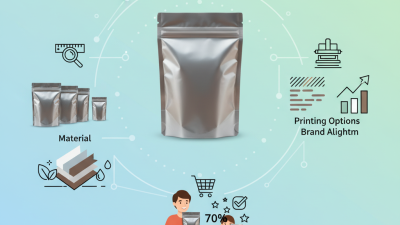
Choosing the right laminate pouch in 2026 starts with understanding its structure, not its appearance. A laminate pouch combines several thin materials. Each layer performs a specific job.
The outer layer usually provides strength, printability, and resistance to scuffing. Polyester is common because it stays stable during filling and transport. The middle layer may block oxygen, moisture, light, or odors. Aluminum foil offers strong protection, while metallized film provides lighter barrier performance. The inner sealing layer contacts the product and forms the pouch’s airtight closure. Polyethylene and polypropylene are frequently used for this purpose.
Layer thickness matters. A dry snack may need moisture protection and reliable seals. Powdered products often require excellent seal integrity because fine particles can enter the sealing area. Coffee, sauces, and other sensitive foods may need stronger oxygen and aroma barriers. A stand-up pouch with a zipper improves convenience, but the zipper does not replace a proper heat seal.
Do not choose by material name alone. Test the pouch with the real filling equipment, seal temperature, drop conditions, and storage environment. A pouch that works in a sample room may fail after weeks in a hot warehouse. That detail is easy to underestimate. Recyclability also deserves careful review, because complex layer combinations can make recovery difficult. The best specification balances barrier protection, handling, product safety, and practical end-of-life options.
How to Choose the Right Laminate Pouch in 2026?
Step 1: Define Your Product’s Packaging and Protection Requirements
Start with the product, not the pouch appearance. Identify whether it contains moisture, oil, oxygen-sensitive ingredients, sharp edges, or strong aromas. A dry powder may need excellent moisture resistance. A roasted snack may also require oxygen and light protection. Small differences matter.
Record the expected shelf life, filling temperature, storage conditions, and transport distance. Note the product’s weight and texture. Fine powders can enter weak seals. Rigid pieces may create pinholes during shipping. A pouch that works in a warehouse may fail inside a hot delivery vehicle. Think beyond the filling line.
Use measurable targets where possible. Ask for barrier data, seal strength results, puncture resistance, and temperature limits. Request samples for real testing. Fill them, stack them, drop them, and store them under expected conditions. Then inspect the seals and inner layers. Laboratory figures help, but they do not replace practical trials. I have seen attractive structures perform poorly after rough handling. That mistake is easy to repeat.
Leave room for uncertainty. Your first material choice may be too strong, too costly, or difficult to seal consistently. Recheck the design after testing. A clear requirement list makes later laminate decisions more reliable.
This screening chart ranks common product categories by their relative need for oxygen, moisture, light, and aroma protection. A score of 1 indicates a low priority and 5 indicates a very high priority. Use these requirements as the starting point for selecting transparent, metallized, or foil-based laminate structures, then confirm performance through laboratory testing and shelf-life validation.
How to Choose the Right Laminate Pouch in 2026?
Step 2: Select the Right Laminate Structure and Barrier Properties
A laminate pouch works as a layered system, not a single material. Each layer serves a purpose. The outer film provides printability and stiffness. The middle layer can improve oxygen, moisture, light, or aroma protection. The inner sealant must close reliably against the product.
Start with the product’s real risks. Dry snacks may need strong moisture protection, while roasted coffee can require oxygen and aroma control. Products with sharp edges may need puncture resistance from a tougher layer, such as nylon. A structure like PET/PE may suit moderate protection, while PET/aluminum/PE can offer stronger light and gas barriers. However, aluminum layers may reduce microwave suitability and complicate recycling goals.
Do not choose by barrier numbers alone. Ask how the pouch will be filled, sealed, folded, transported, and stored. Measure oxygen transmission rate and water vapor transmission rate under relevant conditions. Check seal strength after filling, not only before production. A small wrinkle near the seal can become a serious leak.
A common mistake is selecting the highest barrier available. It may add cost, stiffness, or unnecessary material. The opposite mistake is equally costly. A cheaper structure can shorten shelf life and increase waste. Recheck the design with real samples, temperature cycling, and drop testing. Lab results help, but they do not replace production experience.
| Laminate Structure | Typical Barrier Level | Typical OTR (cc/m²/day) |
Typical WVTR (g/m²/day) |
Key Functional Properties | Recommended Applications | Main Limitations |
|---|---|---|---|---|---|---|
| PET / PE | Basic barrier | 50–120 | 3–8 | Good printability, stiffness, transparency and heat-seal performance. | Dry foods, non-sensitive powders, household products and general-purpose sachets. | Limited protection against oxygen, moisture, aromas and light-sensitive products. |
| BOPP / CPP | Moderate moisture barrier | 100–300 | 0.5–1.5 | Good moisture resistance, attractive appearance, high yield and suitable sealability. | Snack foods, confectionery, bakery products and products requiring a glossy package. | Oxygen barrier is generally insufficient for highly oxidation-sensitive products. |
| PA / PE | Moderate mechanical barrier | 20–60 | 5–15 | High puncture resistance, strong impact performance and good flexibility. | Retort-related structures, frozen foods, meat, seafood and products with sharp edges. | Polyamide absorbs moisture, which can reduce dimensional stability and oxygen barrier performance. |
| PET / PE with EVOH | High oxygen barrier | 0.1–1.0 | 1–4 | Very good oxygen protection with good transparency and reduced material use compared with foil structures. | Coffee, processed foods, sauces, medical products and oxygen-sensitive products. | EVOH barrier performance decreases at high humidity unless protected by suitable polymer layers. |
| PET / Metallized PET / PE | High oxygen, moisture and light barrier | 0.5–5.0 | 0.2–1.0 | Good light blocking, improved aroma retention and a metallic appearance with lower weight than foil. | Coffee, snacks, pet food, powdered products and products requiring moderate-to-high barrier protection. | Barrier can be reduced by flex cracking, pinholes, poor metallization or excessive converting stress. |
| PET / Aluminum Foil / PE | Very high barrier | <0.01 | <0.01 | Excellent protection against oxygen, water vapor, light and aroma transfer. | Long-shelf-life foods, coffee, pharmaceuticals, nutraceuticals and highly light-sensitive products. | Opaque, less recyclable in conventional streams and more sensitive to creasing or pinhole formation. |
| PET / Aluminum Foil / PA / PE | Very high barrier with enhanced toughness | <0.01 | <0.01 | Combines foil-level barrier with improved puncture, abrasion and flex-crack resistance. | Retort pouches, wet foods, sauces, meat products and demanding sterilization applications. | Higher material complexity, limited transparency and more demanding recycling considerations. |
| PET / SiOx-coated PET / PE | High transparent barrier | 0.1–2.0 | 0.1–1.0 | Transparent alternative to aluminum foil with good oxygen and moisture protection. | Clear packaging for snacks, coffee, dry foods and products where visual inspection is important. | Coating performance may be affected by flexing, scratches, processing conditions and seal-area design. |
| Paper / PE | Basic barrier | 100–500 | 5–15 | Paper appearance, good print surface and improved stiffness with a heat-sealable inner layer. | Dry goods, bakery items, tea, powders and packaging where a paper-based appearance is desired. | Limited barrier without additional coatings or films; paper may absorb moisture and lose strength. |
| Paper / EVOH / PE | High oxygen barrier | 0.1–2.0 | 1–5 | Combines a paper-based appearance with improved oxygen protection and heat sealing. | Dry foods, coffee, tea and oxygen-sensitive products requiring a natural visual presentation. | Moisture protection depends strongly on the PE layer and the integrity of the EVOH layer. |
How to Choose the Right Laminate Pouch in 2026?
Step 3: Match Pouch Features with Filling, Storage, and Usage Needs
A laminate pouch should fit the product, not just the design brief. For liquid filling, choose strong seals and a barrier against leaks. Thick sauces may need a wider opening and controlled filling speed. Powders create another problem. Fine particles can collect near the seal and cause weak closures. A cleaner sealing area may matter more than extra material thickness. I have seen attractive pouches fail because their seal width was too narrow.
Storage conditions also shape the laminate structure. Products exposed to humidity need reliable moisture protection. Oxygen-sensitive contents may require a stronger oxygen barrier. For freezer storage, test flexibility at low temperatures. For warm warehouses, check whether the pouch keeps its shape and seal strength. Do not trust appearance alone. A pouch can feel sturdy while puncturing during transport. Drop tests, compression tests, and filled-product trials provide more useful evidence.
Tips: Match the pouch to real filling equipment. Test the exact product, temperature, and storage period. Check zipper performance after repeated opening. Ask for material specifications and suitable compliance documents. Keep records from every trial. My earlier assumption was simple: thicker means safer. It was not always true. Poor sealing conditions can defeat a heavy laminate. Small adjustments often improve reliability more than added layers.
A laminate pouch should earn its place through evidence, not attractive claims. The OECD’s Global Plastics Outlook reports that only 9% of plastic waste was recycled globally in 2019. That figure makes material selection difficult. A recyclable mono-material structure may reduce barrier performance. A multilayer pouch may protect food better but complicate recovery. Test oxygen transmission, moisture transmission, seal strength, and puncture resistance before choosing.
Compliance needs a file, not a promise. Request food-contact declarations, migration test results, ink and adhesive details, batch traceability, and current regulatory statements. Check the selling market carefully. Requirements differ across regions. For example, European packaging rules increasingly emphasize recyclability, recycled content, and producer responsibility. Ask for documents linked to the exact pouch structure. Generic certificates are weak evidence.
Cost includes waste, delays, and damaged goods. Compare the price per usable pouch, not only the unit quotation. A lower-cost film can create weak corner seals or curled edges. Sample 500 to 1,000 pouches, then record seal failures and filling-line stoppages. Request a certificate of analysis for each production batch. Audit supplier controls, storage conditions, calibration records, and corrective-action history. ISO 9001 certification helps, but it does not replace a practical audit. I have seen polished samples hide inconsistent production. That risk deserves a written control plan. According to the Sustainable Packaging Coalition, packaging decisions should consider the full system, including recovery infrastructure and end-of-life outcomes.